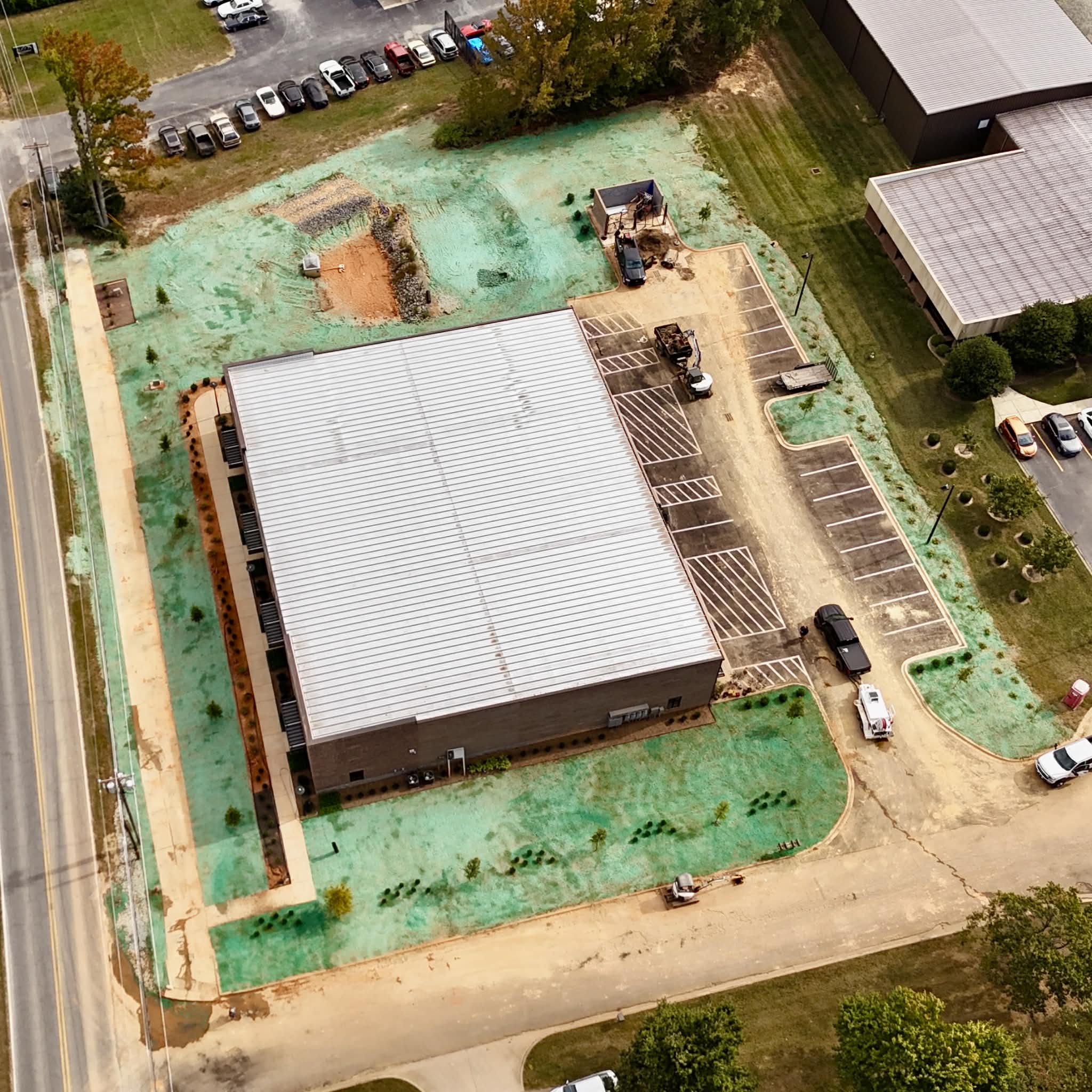
What Happens During a Hydroseeding Visit
Most residential hydroseeding visits follow the same sequence, whether it's a new-construction lot or an existing yard being renovated.
- Lot walk. We check grading, drainage and soil condition before scheduling, and flag anything that needs to be corrected first.
- Seed mix selection.A blend is chosen to match the yard's sun exposure and soil type, not a one-size-fits-all mix.
- Application. The hydroseed slurry, seed, mulch, fertilizer and tackifier, is sprayed evenly across the yard in a single visit.
- Watering guidance. Before we leave, we walk through the specific watering schedule your seed blend and site need.
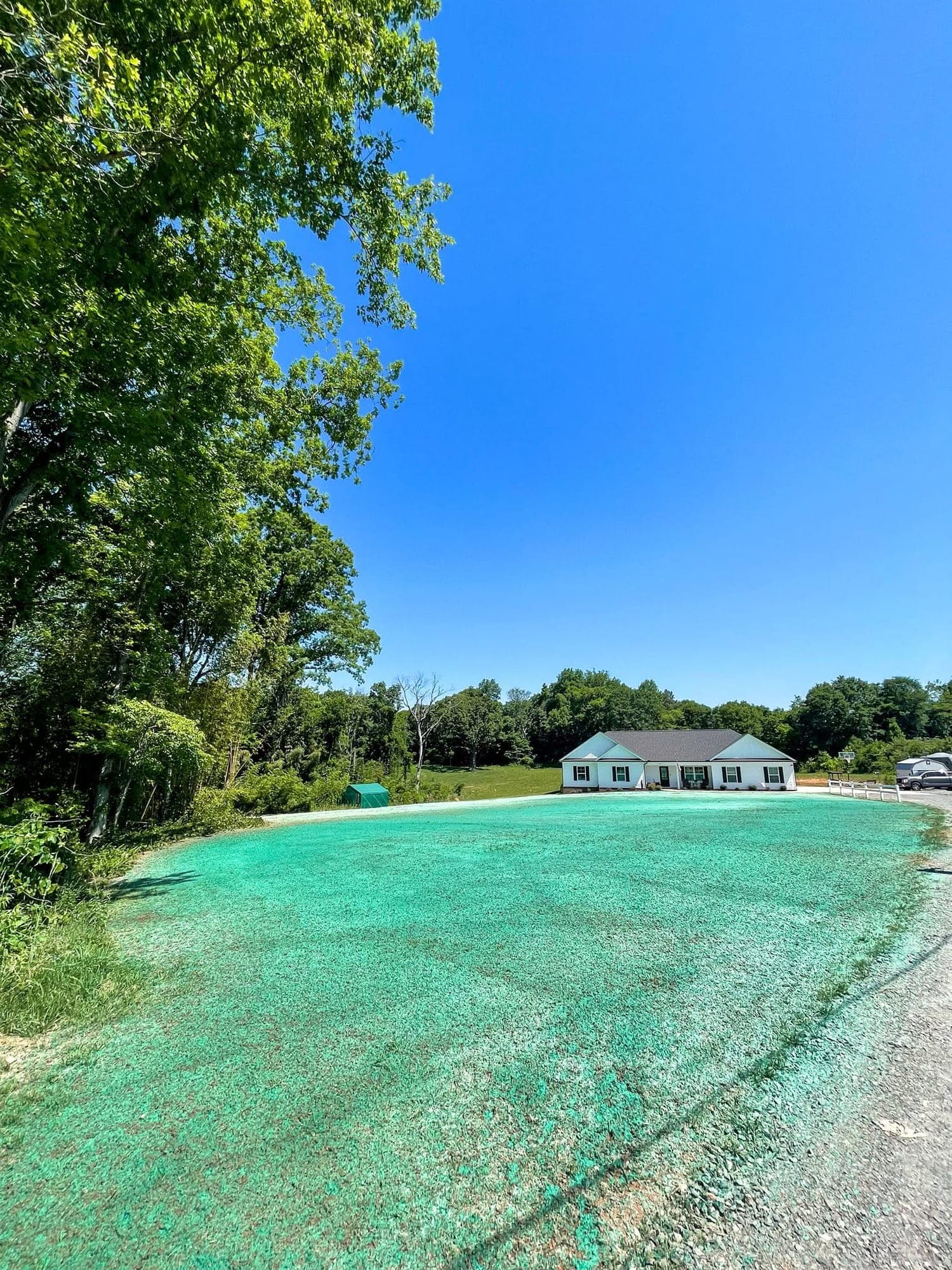
Choosing Fescue or Bermuda
The two grass types we recommend most often for lawns in this part of North Carolina come down to sun exposure and how the yard gets used.
Tall Fescue
A cool-season grass that handles shade and Charlotte-area winters well. It's the more common choice for yards with mature trees or partial shade, and it stays green through more of the year than bermuda.
Bermuda
A warm-season grass that needs full sun but spreads aggressively and holds up better to summer heat and heavy use, like kids or dogs running the yard daily. It goes dormant and turns brown in winter, which is the main trade-off against fescue.
If your lot has a mix of sun and shade, we'll talk through which trade-offs matter most for how you actually plan to use the yard before recommending a blend.
Best Time of Year to Hydroseed in the Charlotte Area
Early fall, September through mid-October, is the best window for fescue. Cooler temperatures and fall rain support germination without the heat stress that a newly-seeded lawn faces in summer. Late spring is the better window for bermuda, which needs warm soil to establish.
New construction doesn't always line up with the ideal seeding window, and that's fine. We regularly hydroseed lawns outside these windows for builders on a closing deadline; it just means paying closer attention to watering until the seed catches up.
Site Prep Before We Arrive
Before hydroseeding day, the yard should have:
- Final grading complete, with no low spots holding water
- Construction debris, rocks and scrap material cleared
- Topsoil placed, if the lot was cut down to subsoil during construction
On new construction, this is usually handled by the builder's grading crew before we're scheduled. On a renovation or regrade, we'll walk the yard first and flag anything that needs attention before we can apply seed. If you don't have a grading contractor lined up, we can handle soil preparation and final grading ourselves before seeding.
Week-by-Week Watering Guide
Watering after we leave is the single biggest factor in how a new lawn turns out. There's no universal schedule since it depends on your seed blend, weather and soil, but here's the general shape most new lawns follow.
Week 1: Germination
Keep the top layer of soil consistently moist, not soaked. This usually means light watering 2 to 3 times a day for short periods rather than one long soak, since the goal is to keep the surface from drying out while seed germinates.
Weeks 2-3: Early Growth
As grass emerges, watering can shift to less frequent but slightly deeper sessions, encouraging roots to grow down rather than staying shallow at the surface.
Week 4 and Beyond: Establishment
Once the lawn has been mowed once or twice, watering can move toward a normal established-lawn schedule, typically a deep watering a couple of times a week rather than daily attention.
Rainfall, temperature and your specific seed blend all shift this timeline, which is why we walk through your actual schedule on-site rather than handing you a generic printout.
When Can You Mow, Walk or Let Pets on the Lawn?
Most lawns are ready for a first mow 3 to 4 weeks after application, once the grass has reached mowing height. Wait for that first mow, or at least until grass is a couple of inches tall and rooted enough to resist pulling up, before regular foot traffic, kids playing or pets running the yard daily.
Occasional light use before then usually won't cause lasting damage, but repeated heavy traffic on a lawn that hasn't rooted yet can uproot young grass and create the exact thin spots you're trying to avoid.
Common First-Season Issues
A few things come up often enough in the first season that they're worth flagging ahead of time.
- Uneven color or thin patches. Often tied to sun exposure, drainage or inconsistent watering across the yard rather than a problem with the seed itself. Give it 4 to 6 weeks of consistent watering before assuming a spot needs reseeding.
- Some weeds showing up. New soil can bring up existing weed seed along with your grass seed. Regular mowing at the right height usually crowds weeds out as the lawn fills in.
- Yellowing after the first month. Can indicate the lawn is ready for its first normal fertilization, since the fertilizer in the hydroseed mix is meant to support germination, not feed the lawn indefinitely.
Still Deciding Between Hydroseeding and Sod?
If you're still weighing hydroseeding against sod or traditional seed and straw, our full comparison guide covers cost, appearance, root development and which option fits different situations in more detail: Hydroseeding vs. Sod vs. Seed & Straw.
Why Homeowners Choose Prime
Quotes, scheduling and questions about your lawn go directly to Tony Whittier, the owner, not a call center. We work with home builders on lot-by-lot seeding scheduled around closing dates, and directly with homeowners finishing a new build or renovating an existing yard, throughout Charlotte, Concord, Mooresville and the surrounding Carolinas.
Ready to get a new lawn started in Charlotte? See full pricing, process and service details on our Charlotte hydroseeding page for pricing specific to your yard, or visit the residential hydroseeding service page for how it works outside the Charlotte area.
Frequently Asked Questions
Most yards show green growth within 5 to 10 days and are ready for a first mow around 3 to 4 weeks after application. Full establishment, meaning a root system deep enough to handle regular use, typically takes a full growing season.