What Is Hydroseeding?
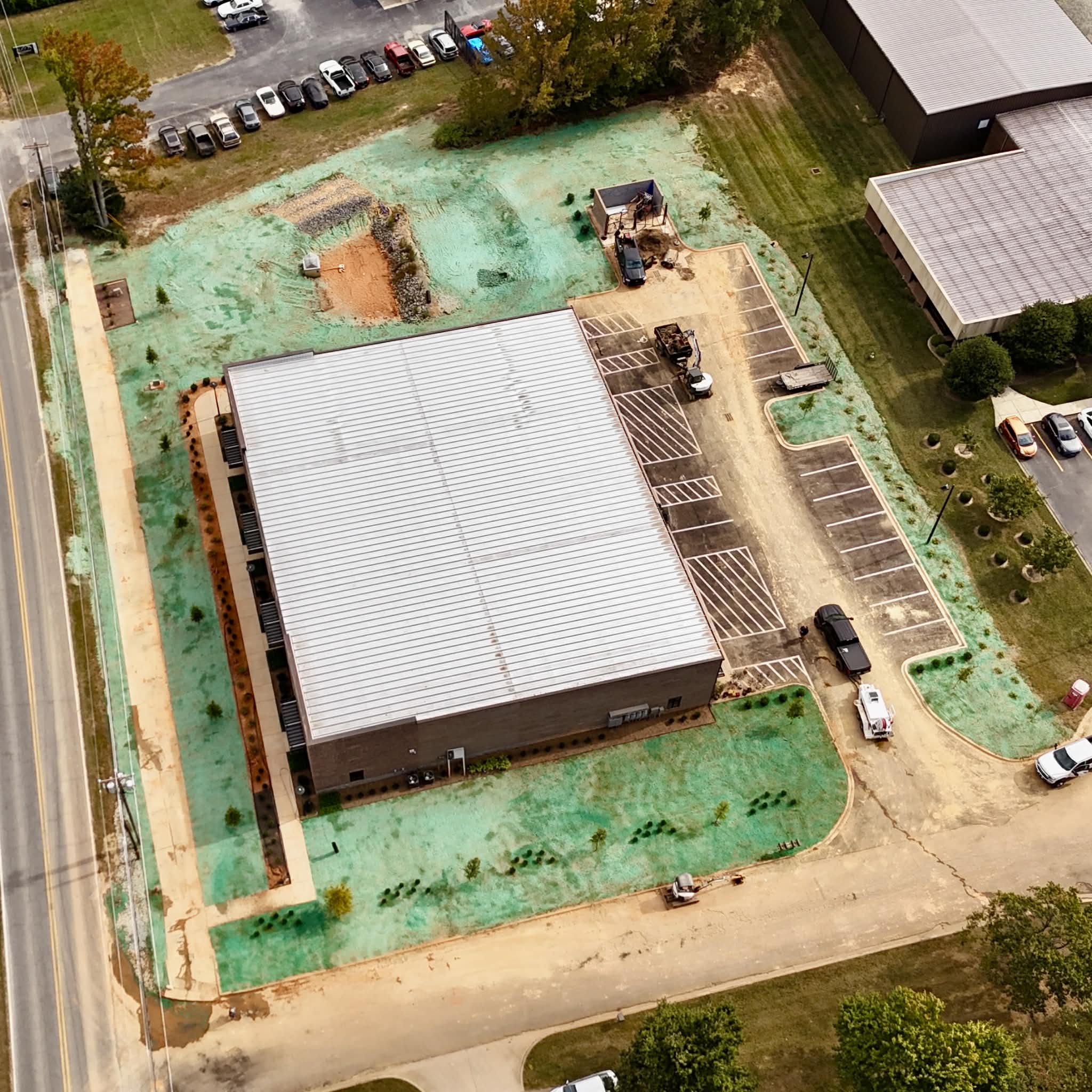
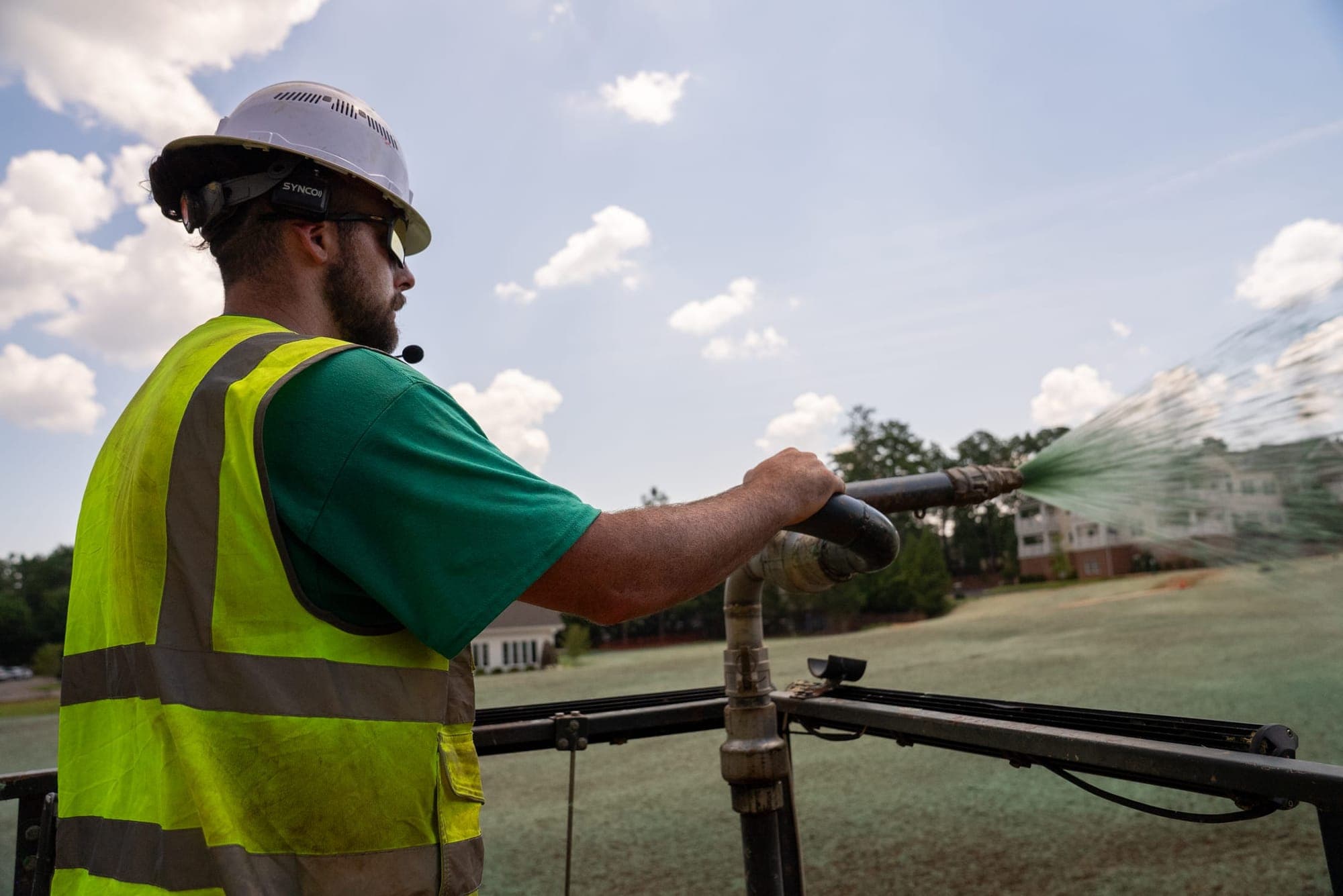
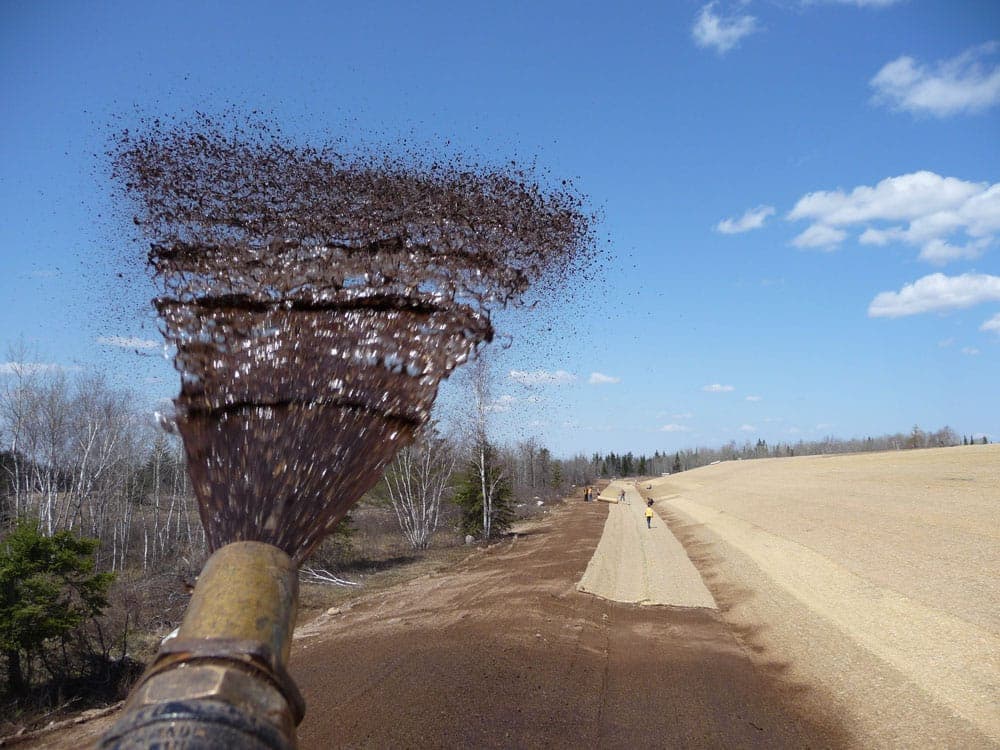
Hydroseeding is a grass-establishment method that combines grass seed, fertilizer, hydraulic mulch, tackifier, water, and any required soil amendments into a slurry. The mixture is applied evenly over prepared soil using specialized hydroseeding equipment.
The hydraulic mulch helps retain moisture, protect the seed, reduce movement during rainfall, and create an environment that supports germination.
Hydroseeding is commonly used for:
- Residential lawns
- New home construction
- Commercial developments
- Subdivisions
- Apartment communities
- Schools and parks
- Retention ponds
- Utility projects
- Roadway projects
- Industrial sites
- Slopes and disturbed soil
- Temporary and permanent stabilization
What Is Sod?
Sod is mature grass grown on a farm, harvested in rolls or slabs, and installed over prepared soil. It provides an immediate green appearance, making it popular when fast curb appeal is the main priority.
Sod still requires proper soil preparation, installation, irrigation, and maintenance. The grass must establish roots in the new soil before it becomes durable.
What Is Seed and Straw?
Seed and straw is a traditional method in which grass seed is spread over prepared soil and then covered with straw. The straw provides limited moisture retention and soil protection while the seed germinates.
This method may work for certain smaller or lower-budget projects, but seed distribution and straw coverage can be inconsistent. Straw can also move due to wind, rainfall, equipment, or foot traffic. Prime Hydroseeding also offers a machine-blown seed & straw application that improves on the traditional hand-spread method.
Hydroseeding vs. Sod: Cost
For most residential and commercial projects, hydroseeding is more affordable than sod.
Sod includes the cost of mature grass, harvesting, transportation, preparation, installation labor, and ongoing irrigation. Those costs become especially significant on larger properties and multi-acre developments.
Hydroseeding allows contractors and property owners to establish grass over large areas efficiently without paying for mature turf.
Best value for large areas: Hydroseeding
Best for immediate green appearance: Sod
As a general guideline, residential hydroseeding typically runs $0.10–$0.25 per square foot and commercial hydroseeding commonly runs $2,500–$4,000+ per acre. Every site is different, though, and pricing depends on square footage or acreage, soil conditions, access, slope, seed type, mulch specification and site preparation. See our full cost guide and estimator or request a quote for pricing specific to your project.
Hydroseeding vs. Sod: Appearance and Establishment
Sod provides an immediate finished appearance. Hydroseeding requires time for germination and establishment.
Under suitable growing conditions, some seed varieties may begin germinating within approximately 7 to 21 days. Full establishment takes longer and depends on the season, seed type, soil preparation, weather, and irrigation.
Hydroseeding can provide a thick and uniform lawn when the site is properly prepared and the recommended watering and maintenance instructions are followed.
Hydroseeding vs. Sod: Root Development
Hydroseeded grass grows directly into the existing soil, allowing the root system to develop in place.
Sod must transition from the soil in which it was grown to the soil at the installation site. Proper watering and soil contact are critical during this establishment period.
Long-term performance depends on preparation, soil quality, drainage, irrigation, grass selection, and maintenance, not simply the installation method.
Hydroseeding vs. Seed and Straw
Both methods establish vegetation from seed, but hydroseeding combines seed, fertilizer, mulch, tackifier, and water into one uniform application.
Key hydroseeding advantages may include:
- More consistent seed distribution
- Better mulch coverage
- Improved moisture retention
- Faster application over large areas
- Reduced seed movement
- Better coverage on irregular terrain
- Multiple mulch options for different site conditions
- Easier application on commercial and construction sites
Which Method Is Best for Residential Lawns?
For many homeowners, hydroseeding provides a strong balance of affordability, coverage, customization, and long-term appearance.
Hydroseeding may be a good fit for:
- New construction lawns
- Large bare yards
- Lawn renovations
- Areas damaged by grading
- Properties where sod is cost-prohibitive
- Homeowners who want a professionally applied seed mixture
Sod may be preferred when:
- Immediate appearance is the highest priority
- The property must be usable quickly
- The installation area is relatively small
- The homeowner has adequate irrigation and budget
Seed and straw may be appropriate for smaller or less visible areas where budget is the primary concern.
Prime Hydroseeding provides residential hydroseeding for new construction and existing lawns throughout the Charlotte metro and the surrounding Carolinas.
Which Method Is Best for Commercial Construction?
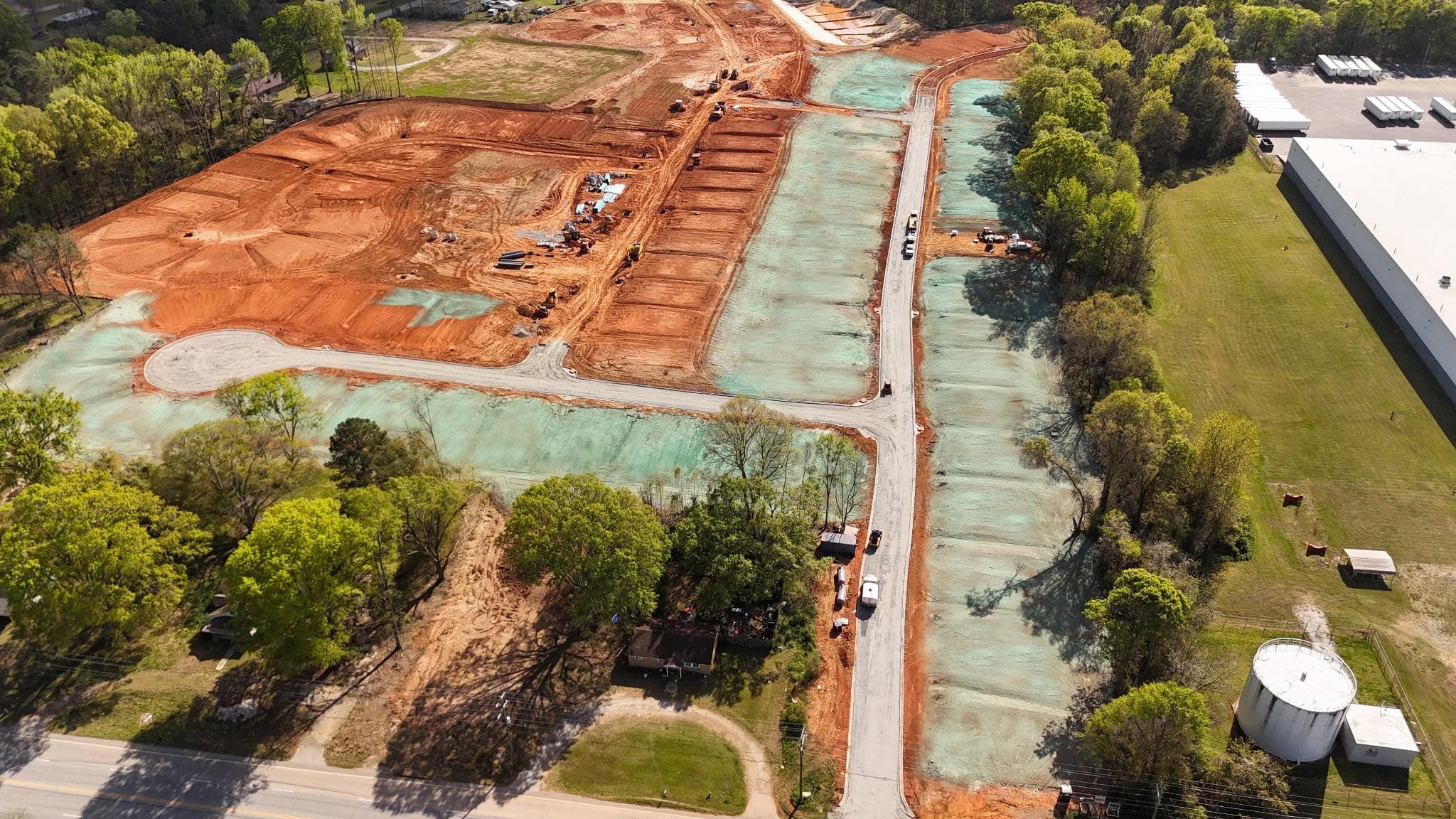
Hydroseeding is often the most practical option for commercial projects because it can cover large areas efficiently.
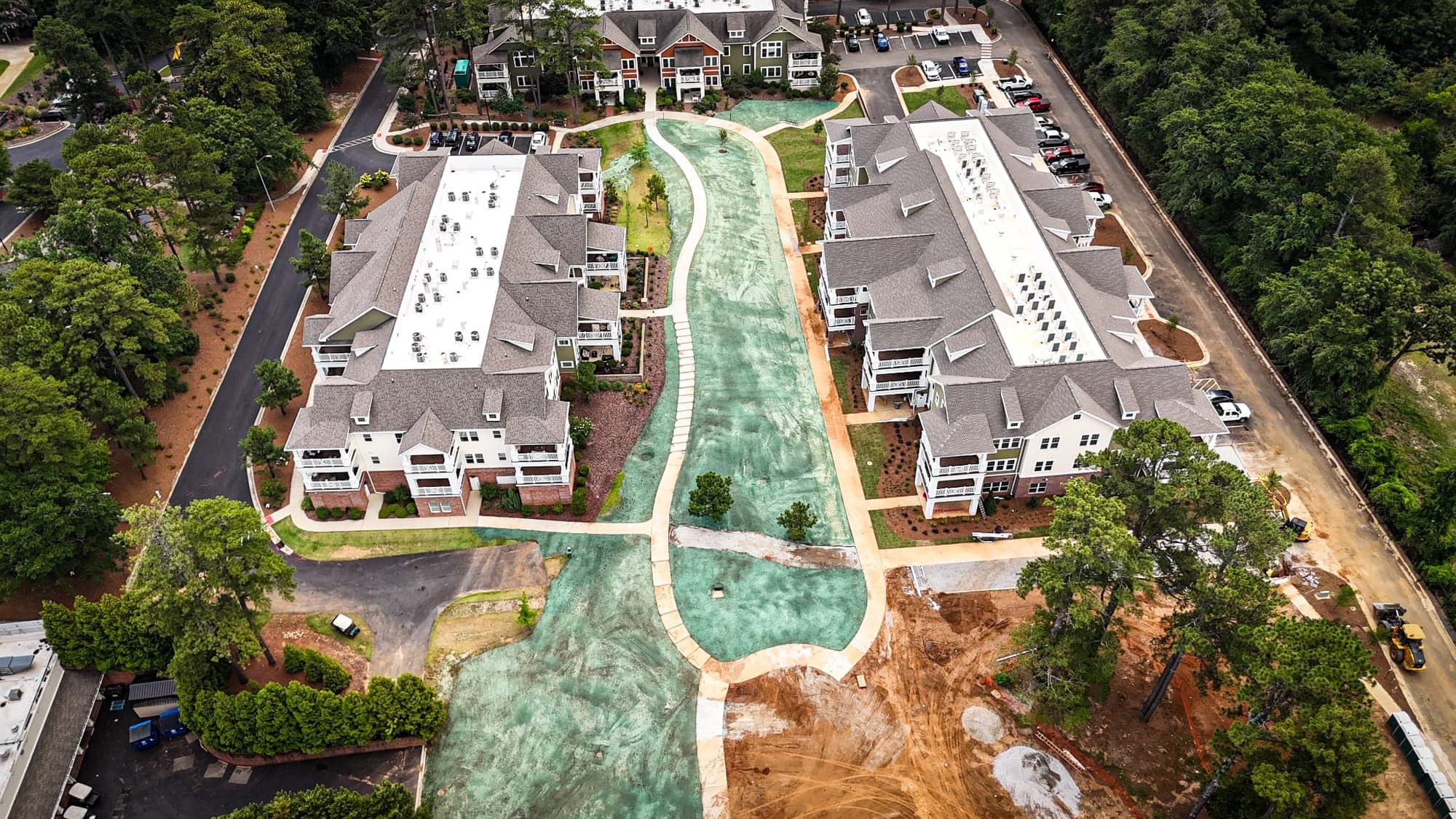
Commercial applications include:
- Subdivisions
- Apartment complexes
- Retail developments
- Industrial properties
- Schools
- Municipal projects
- Utility corridors
- Retention ponds
- Roadway shoulders
- Large graded areas
- Temporary stabilization
- Permanent stabilization
Benefits for contractors and developers may include:
- Faster application
- Efficient coverage
- Multiple seed and mulch specifications
- Easier mobilization across large sites
- Lower cost than sod in many applications
- Compatibility with phased construction schedules
- Options for temporary and permanent cover
Prime Hydroseeding works directly with general contractors and developers on commercial hydroseeding scoped and scheduled around your grading sequence.
Which Method Is Best for Erosion Control?
Hydroseeding is frequently used as part of a broader erosion control and site-stabilization plan, alongside measures like silt fence and matting. Hydroseeding helps establish vegetative cover, but it is not a stand-alone substitute for a complete erosion and sediment control plan.
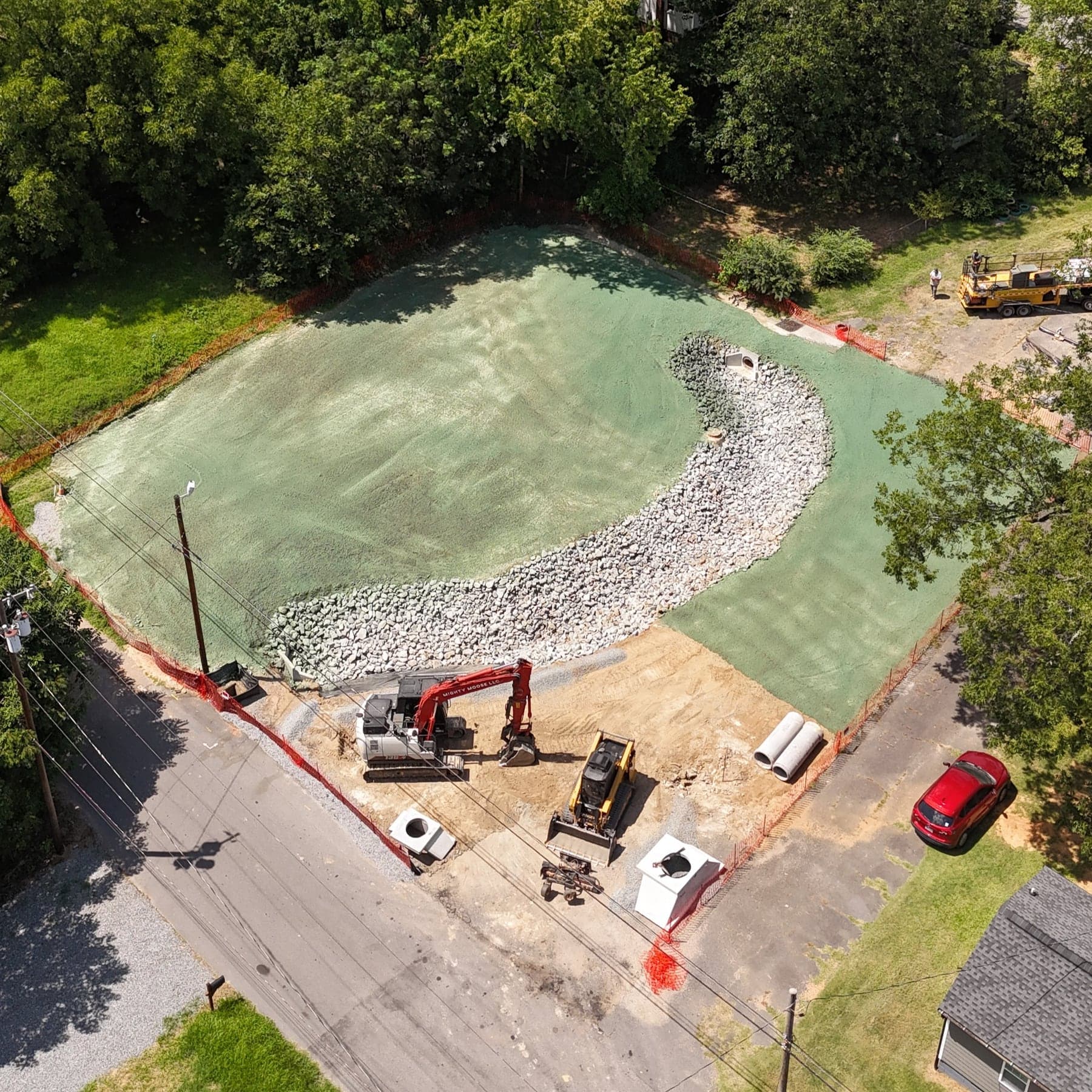
The appropriate solution depends on:
- Slope steepness
- Soil type
- Drainage
- Rainfall exposure
- Project specifications
- Required vegetation
- Inspection requirements
- Duration of stabilization
- Local and state requirements
Depending on the site, hydroseeding may be used alongside:
- Erosion control blankets and matting
- Silt fence
- Filtrexx compost filter sock
- Stormwater and drainage measures
Your project plans, engineer's specifications, approved erosion control plan, and applicable agency requirements should determine the final installation method. Municipalities and property owners can also schedule pond inspections to catch erosion or sediment issues before they become compliance problems.
Temporary vs. Permanent Seeding
Temporary seeding is used to stabilize disturbed soil for a limited period during construction. Permanent seeding is intended to establish long-term vegetation after final grading or when an area will no longer be disturbed.
Contractors should consider:
- Project schedule
- Season
- Seed specification
- Expected disturbance
- Soil conditions
- Required mulch type
- Inspection deadlines
- Whether additional erosion-control measures are required
Prime Hydroseeding offers both temporary seed & straw for fast compliance between grading phases and permanent seeding and soil revitalization for final stabilization sign-off.
Choosing the Right Grass Seed
The correct seed mix depends on the project's location, season, sunlight, soil, use, and specifications. Common options may include the following.
Tall Fescue
Tall fescue is frequently used for residential and commercial lawns in parts of North Carolina and South Carolina. It performs best under appropriate seasonal conditions and requires ongoing maintenance.
Bermuda Grass
Bermuda grass is commonly selected for sunny, warm-season applications. It is often used for commercial properties, residential lawns, and large open areas.
Temporary Stabilization Mixes
Temporary seed mixes are selected based on the season, project requirements, and approved erosion control plan. No single grass variety is the right fit for every property; the seed mix should match your site and goals.
Site Preparation Matters
No installation method can compensate for poor site preparation.
Before hydroseeding, sod, or seed and straw, the site may require:
- Final grading
- Removal of debris
- Loosening compacted soil
- Topsoil installation
- Soil testing
- Lime or fertilizer
- Drainage correction
- Rock removal
- Smoothing and raking
Prime Hydroseeding can evaluate the project scope and handle soil preparation and final grading directly, so you don't need to line up a separate grading contractor before scheduling.
Watering and Maintenance
All three methods require watering and maintenance.
Newly seeded areas generally need frequent, light watering to keep the surface consistently moist without creating runoff or washouts. Sod also requires frequent watering while its roots establish.
Watering needs vary based on:
- Temperature
- Rainfall
- Soil
- Seed type
- Sun exposure
- Slope
- Mulch type
- Local watering restrictions
Because of this, there is no universal watering schedule that fits every project. We walk every customer through watering guidance specific to their site.
Comparison Table
| Factor | Hydroseeding | Sod | Seed and Straw |
|---|---|---|---|
| Initial appearance | Mulched surface | Immediate green lawn | Straw-covered soil |
| Typical relative cost | Moderate | Highest | Often lowest |
| Installation speed | Fast over large areas | Fast, but labor-intensive | Fast for small areas |
| Large-area suitability | Excellent | Limited by cost and labor | Possible, but consistency varies |
| Seed customization | High | Low | High |
| Erosion-control capability | Used within a broader plan | Minimal until established | Limited |
| Establishment time | Requires germination | Immediate look, roots establish over time | Requires germination |
| Watering requirements | Frequent, light watering | Frequent watering during establishment | Frequent, light watering |
| Best residential use | New construction, renovations | Fast curb appeal, small areas | Small or lower-budget areas |
| Best commercial use | Large or multi-acre sites | Small, high-visibility areas | Temporary or budget-limited areas |
How to Choose the Best Option
Choose hydroseeding when:
- You need to cover a large area
- You want a more affordable alternative to sod
- You need a customized seed mix
- The site includes slopes or irregular terrain
- You are completing residential or commercial construction
Choose sod when:
- Immediate appearance is essential
- The installation area is small
- Budget is less restrictive
- Irrigation is available
Choose seed and straw when:
- The area is relatively small
- The project allows a basic application
- The plans or specifications require it
- Budget is the primary factor
Why Choose Prime Hydroseeding?
Prime Hydroseeding provides residential and commercial hydroseeding and erosion control services throughout North Carolina and South Carolina, based in the Charlotte metro and serving communities including Charlotte, Concord, Kannapolis, Mooresville, and Salisbury in North Carolina, as well as Rock Hill and Fort Mill in South Carolina. We also regularly travel for the right project into the broader Piedmont and Upstate/Midlands region, including Winston-Salem, Greensboro, Raleigh and Greenville, South Carolina. Visit our full service area to see if your project location is covered.
Our customers include:
- Homeowners
- Home builders
- General contractors
- Developers
- Utility contractors
- Property managers
- Municipalities
- Commercial property owners
Relevant services include:
- Residential hydroseeding
- Commercial hydroseeding (including construction site stabilization, DOT seeding and retention pond stabilization)
- Erosion control (silt fence, erosion control blankets and matting, Filtrexx installation, and stormwater and drainage solutions)
- Soil revitalization (permanent seeding and soil amendment)
- Seed & straw (temporary seeding and straw blowing)
- Pond inspections
Frequently Asked Questions
In many cases, yes. Hydroseeding is generally more affordable than sod, especially for large residential lawns and commercial properties. Final pricing depends on project size, access, soil preparation, seed, mulch, slope and specifications.