Why Ponds Need Regular Inspection
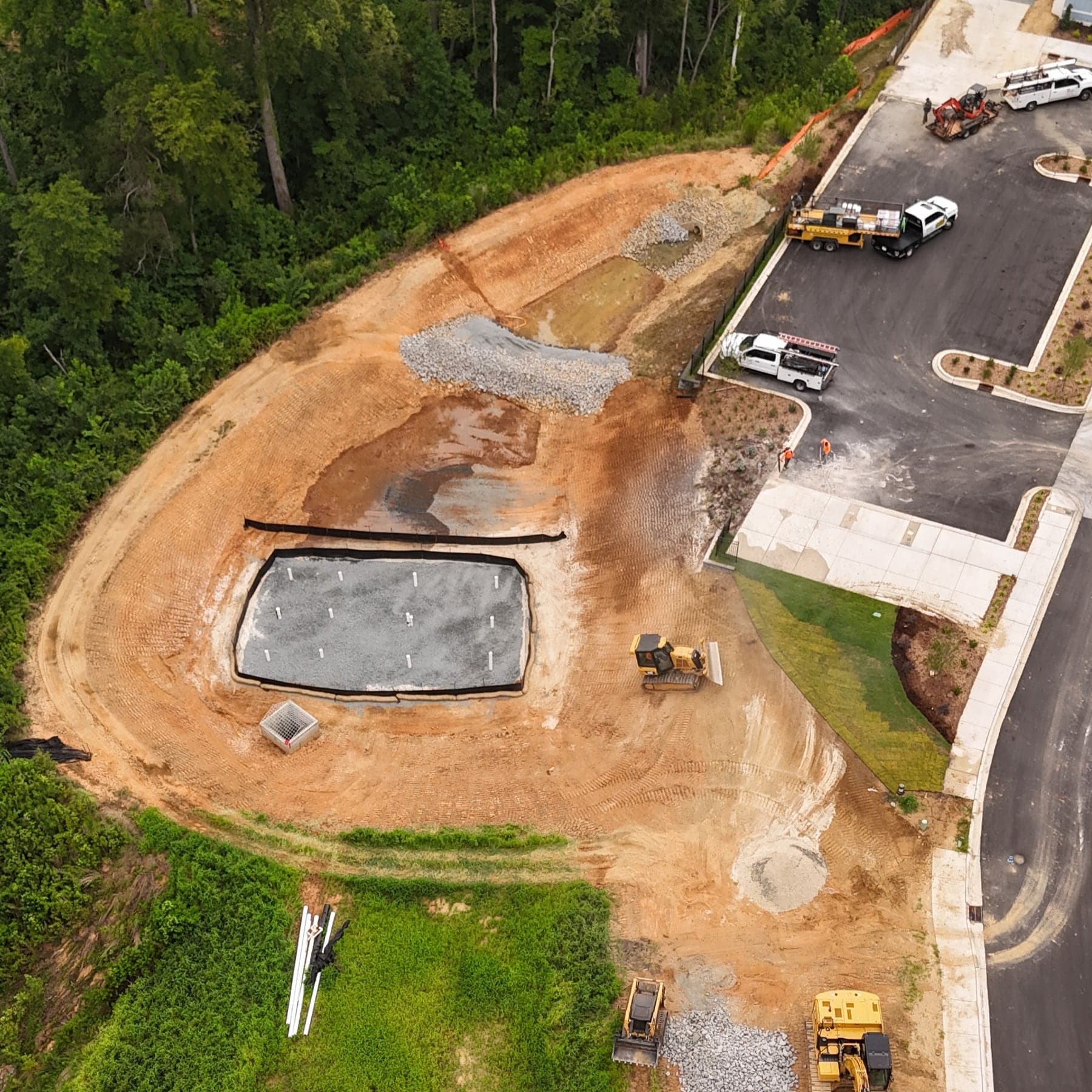
A retention or detention pond is designed to concentrate stormwater in one place, which is exactly what makes small problems escalate quickly there. Erosion on a pond slope or sediment buildup in the basin doesn't stay contained the way it might on a flatter, better-drained part of a site. Left unchecked, it can affect the facility's ability to manage water flow the way it was designed to.
A Practical Inspection Cadence
There's no single cadence that fits every facility, since municipal permit conditions or an HOA's maintenance agreement can specify a required minimum. As a general baseline, a routine inspection a few times a year, combined with a check after any major storm event, catches most issues before they become compliance problems.
- Routine inspections:A scheduled walk of slopes, basin and outlet structure on a recurring cadence, whether that's quarterly, semi-annually or whatever your permit or agreement specifies.
- Post-storm inspections: A check after any significant rain event, regardless of where that falls in the routine schedule.
- Pre-acceptance inspections: A dedicated check ahead of a municipal facility acceptance walk-through, timed to catch anything an inspector would flag.
What We Look For
Three things account for most of the issues we find:
- Slope erosion.Rilling, washouts or bare spots on the pond's side slopes, often where erosion control measures have degraded or vegetation hasn't fully established.
- Sediment buildup.Accumulation in the basin itself, which reduces the facility's effective storage capacity over time if it isn't cleared.
- Outlet structure condition. Blockages, damage or deterioration at the outlet, since a compromised outlet structure affects how the whole facility functions during a storm event.
Why Post-Storm Inspections Matter
A pond that looked fine at the last routine inspection can develop a real issue after one significant storm, since concentrated flow during heavy rain moves more soil and sediment than typical rainfall does over the same period. Post-storm inspections are one of the most common reasons clients call us outside of a scheduled visit, and catching an issue right after it happens is usually a smaller fix than waiting for it to show up at the next routine check.
Municipal Facility Acceptance
Before a municipality formally accepts a stormwater facility, it typically gets its own inspection. Running our own inspection ahead of that walk-through lets you address anything an inspector would flag on your own timeline, rather than finding out about it during the official inspection and scrambling to fix it under a tighter deadline.
What Happens If We Find an Issue
We document findings with photos for your records or a municipal inspection file, then flag whether it needs repair, restabilization or ongoing maintenance. If the fix is within scope, we can often move directly into hydroseed, matting or sediment control repair work without a separate bid and remobilization.
Ready to schedule an inspection or set up a recurring cadence? Visit our pond inspections page or request pricing directly.
Frequently Asked Questions
A routine inspection on a regular schedule, commonly a few times a year, plus a check after any major storm event, is a reasonable baseline for most facilities. Municipal permit conditions or your facility's maintenance agreement may specify a required minimum cadence beyond that.